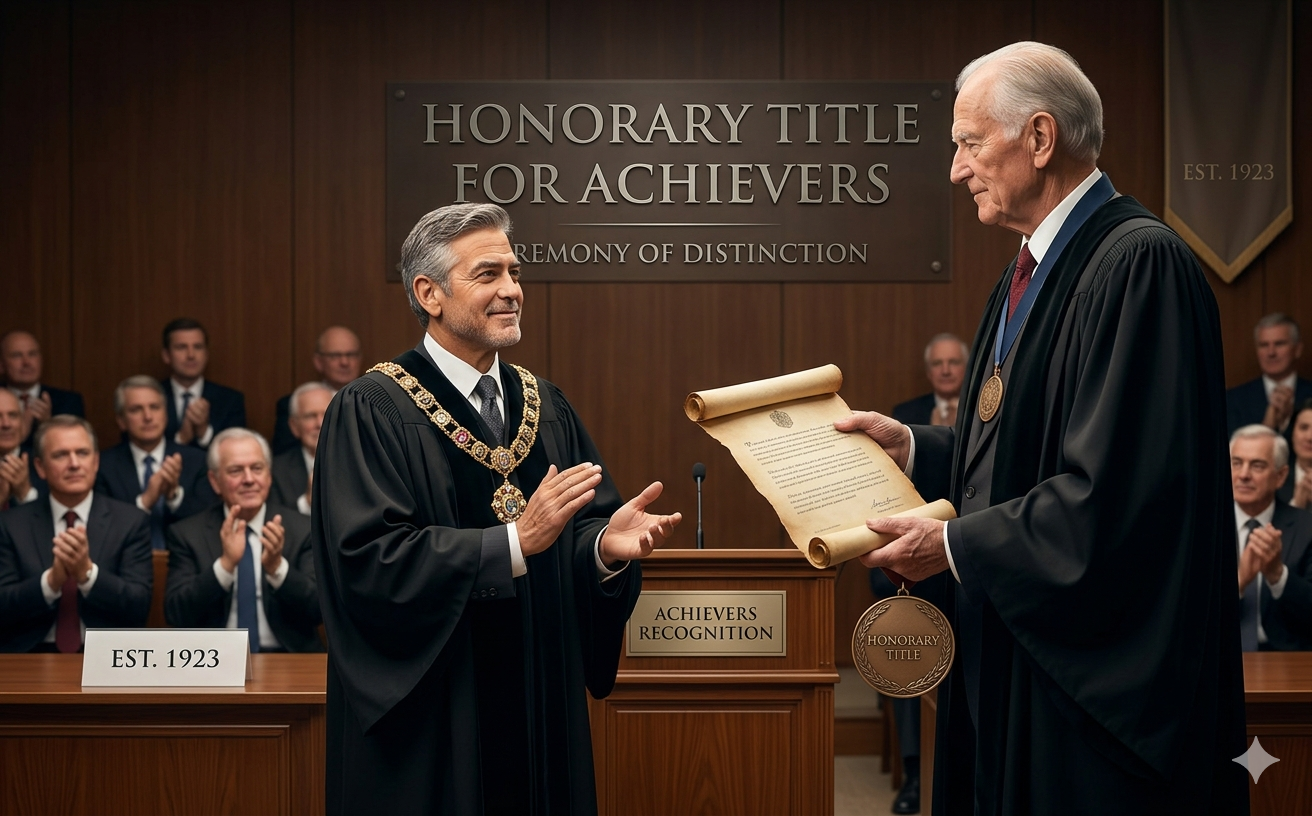
A lasting legacy is not created overnight, nor is it limited to wealth, fame, or professional titles. It is the result of consistent actions, meaningful contributions, and the ability to influence others in a positive and memorable way. Public figures and high achievers build legacies by shaping how they are remembered long after their active careers end. This process involves a combination of personal values, public behavior, achievements, and the ability to inspire future generations. In today’s interconnected world, legacy is no longer confined to history books; it is built daily through media presence, communication, and social impact. Whether in business, politics, education, entertainment, or social activism, individuals who focus on purpose rather than short-term recognition tend to leave stronger and more meaningful legacies that continue to influence society for years.
The Meaning of Legacy in Modern Society
Legacy in modern society goes beyond traditional definitions of success. It is not only about what a Honorary Title For Achievers but also about what they leave behind in terms of ideas, influence, and contributions to others. Public figures and achievers are often remembered for how they changed systems, inspired communities, or introduced innovative thinking. A legacy can be intellectual, emotional, or cultural, depending on the impact created. In today’s digital age, legacy is also shaped by online presence, interviews, speeches, and social media interactions. Every action contributes to a digital footprint that remains accessible for future generations. Therefore, building a legacy requires awareness, responsibility, and long-term thinking. Those who understand this concept focus not just on personal growth but also on how their work benefits society as a whole and creates value that continues beyond their lifetime.
The Role of Consistency in Building Reputation
Consistency is one of the strongest foundations of a lasting legacy. Public figures and achievers are able to build trust and recognition when their actions, messages, and values remain steady over time. Consistency in performance ensures that achievements are not seen as random success but as a result of discipline and commitment. Whether it is delivering quality work, maintaining ethical standards, or continuously engaging with the audience, consistency reinforces credibility. People tend to remember those who repeatedly demonstrate reliability and excellence. In contrast, inconsistency can weaken reputation and reduce long-term influence. Achievers who build legacy understand that every small action contributes to their overall image. They focus on maintaining high standards even when they are not in the spotlight, ensuring that their reputation grows stronger with time and their influence remains stable across different phases of their career.
Media Presence and Public Perception
Media presence plays a powerful role in shaping how public figures and achievers build lasting legacy. The way an individual is represented in media outlets, interviews, and digital platforms significantly influences public perception. A strong media presence helps in communicating achievements, values, and vision to a wider audience. However, it is not just about visibility but also about authenticity. Audiences today value transparency and honesty, and they are quick to recognize inauthentic behavior. Public figures who communicate clearly and consistently through media channels are more likely to build trust and long-term recognition. Additionally, storytelling is an essential element in shaping perception. When achievers share their journey, struggles, and lessons learned, they create emotional connections with their audience. This emotional bond strengthens their legacy and ensures that their impact remains meaningful and relatable for future generations.
Values, Integrity, and Trust Building
Values and integrity are at the core of any lasting legacy. Public figures and achievers who prioritize honesty, responsibility, and ethical behavior naturally earn long-term respect. Trust is not built through success alone but through the way individuals handle challenges, criticism, and responsibility. When actions align with spoken values, credibility is strengthened. Integrity ensures that achievements are respected and not questioned. In many cases, it is not only accomplishments that define a legacy but also the principles followed throughout the journey. People tend to remember those who stood firm on their beliefs and acted with fairness, even under pressure. In a world where information spreads quickly, maintaining integrity becomes even more important. A single action can influence public opinion significantly, which is why ethical behavior remains a key factor in shaping a positive and enduring legacy.
Influence Through Mentorship and Contribution
One of the most powerful ways public figures and achievers build lasting legacy is through mentorship and contribution to others. Sharing knowledge, guiding future leaders, and supporting communities creates a ripple effect that extends far beyond personal achievements. Mentorship allows experienced individuals to pass on skills, wisdom, and insights that help others grow. This creates a cycle of continuous development where success is shared rather than isolated. Many respected figures are remembered not only for what they achieved but also for how many lives they positively influenced. Contribution can also take the form of philanthropy, education, or social initiatives. When individuals invest in the growth of others, their legacy becomes deeply rooted in society. This type of influence is long-lasting because it multiplies over time, as those who are mentored go on to inspire and support others.
Digital Identity and Modern Branding
In the digital era, legacy is heavily influenced by online identity and personal branding. Public figures and achievers must carefully manage their digital presence across social media, websites, and online publications. A strong digital identity helps communicate expertise, achievements, and values to a global audience. Personal branding is not about self-promotion alone but about creating a consistent and meaningful image that reflects true identity. Every post, article, or video contributes to how a person is perceived online. Search engines and social platforms preserve this content, making it part of a permanent record. Therefore, strategic digital engagement is essential for building a positive legacy. Individuals who use digital platforms wisely can expand their influence, reach diverse audiences, and strengthen their long-term reputation. In this way, digital branding becomes a modern tool for shaping how history remembers them.
Long-Term Impact and Generational Influence
A true legacy is measured by its long-term impact and ability to influence future generations. Public figures and achievers who focus on sustainable contributions ensure that their work remains relevant even after they are gone. This impact is often seen in the form of inspired individuals, improved systems, or lasting cultural change. Generational influence means that ideas and values continue to spread and evolve over time. It is not limited to immediate recognition but extends into the future through continued application of principles and teachings. Achievers who think beyond their lifetime invest in building foundations that others can build upon. This forward-thinking approach ensures that their influence does not fade but grows stronger with time. Ultimately, a lasting legacy is not about being remembered for success alone but about being remembered for making a meaningful difference in the world.